
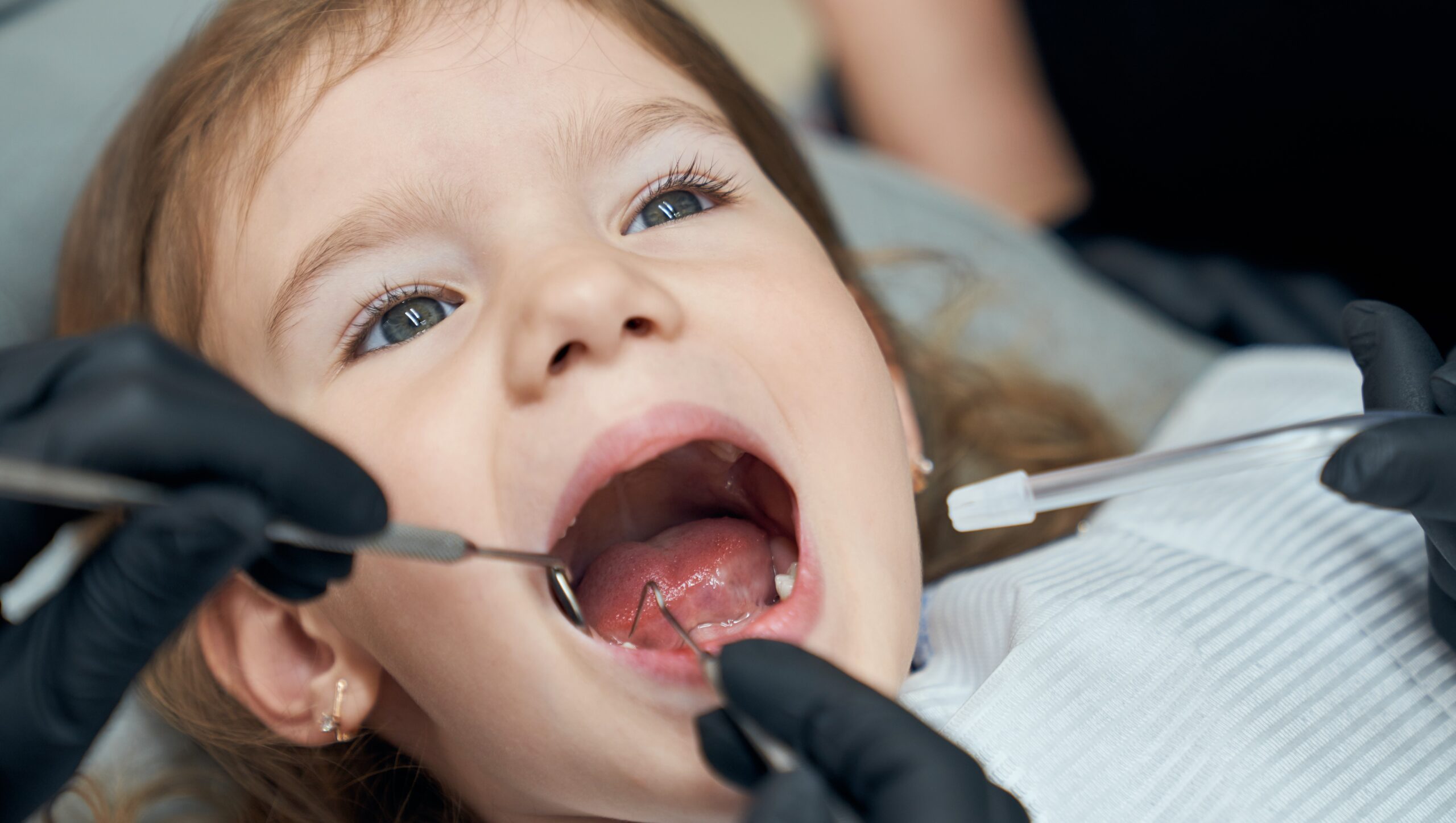
Many parents only think about dental treatment after their child has tooth pain, visible cavities, or difficulty eating. However, in children’s dentistry, prevention is often better than waiting for a problem to appear.
Dental sealants are one preventive option that may help protect children’s back teeth before decay starts. They are especially useful because molars often have deep grooves that can trap food and bacteria. These areas can be difficult for children to clean properly, even with regular brushing.
For parents, the question is usually simple: does my child really need dental sealants, or is regular brushing enough?
The answer depends on your child’s teeth, brushing habits, diet, and cavity risk. A pediatric dentist or kid-friendly dentist can check whether sealants are suitable and explain the best preventive care for your child’s age and oral health condition.
At Dental Home, we understand that parents want clear answers before agreeing to any dental treatment for their child. This article explains what dental sealants are, how they help, when they may be needed, and what happens during the appointment.
What Are Dental Sealants?
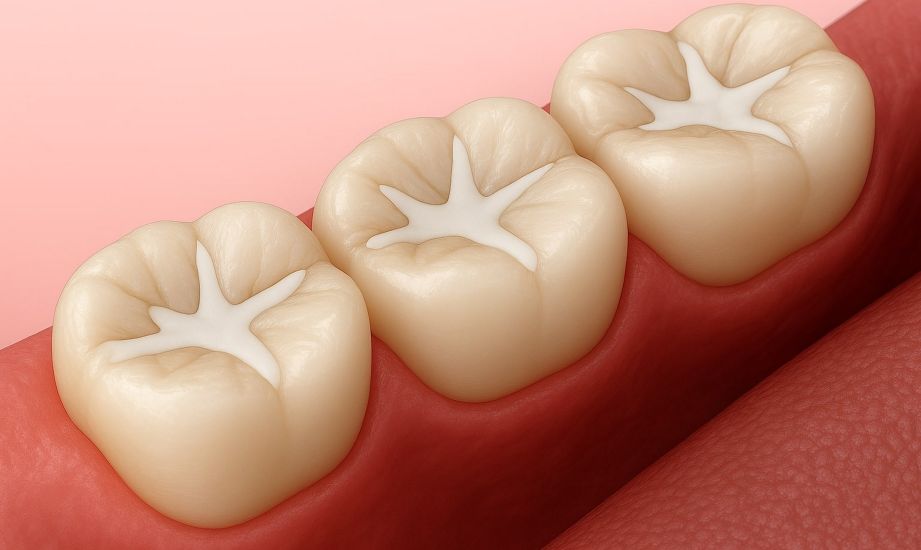
Dental sealants, also called fissure sealants, are thin protective coatings applied to the chewing surfaces of the back teeth, especially molars and premolars.
Molars are the teeth children use for chewing. They often have tiny pits and grooves on the surface. Even with brushing, these grooves can be difficult to clean well, especially for younger children who are still learning proper brushing technique.
A dental sealant works by filling or covering these grooves so food and bacteria are less likely to get trapped there. In simple terms, it acts like a protective shield for the chewing surface of the tooth.
Malaysia’s Ministry of Health guideline defines a fissure sealant as material placed in pits and fissures to prevent or control dental caries. It is also described as a preventive and non-invasive procedure, especially in the school dental programme context.
It is important to note that sealants do not cover the whole tooth. They mainly protect the grooves on the top surface of the molars, where cavities commonly begin.
Do Dental Sealants Help Prevent Cavities?
Yes, dental sealants can help reduce the risk of cavities on the chewing surfaces of children’s molars.
They work by creating a physical barrier over deep grooves. This makes it harder for food particles and bacteria to settle into those areas. It can also make the chewing surface easier to keep clean.
Sealants are especially useful for teeth with deep grooves or for children who have a higher risk of tooth decay. However, they are not a whole-mouth solution.
Dental sealants can help protect the chewing surfaces of molars, but they do not protect every part of the tooth. They do not protect smooth surfaces, areas between teeth, or areas that can only be reached properly by flossing.
Sealants also do not replace:
- Daily brushing
- Flossing where needed
- Fluoride toothpaste
- Healthy eating habits
- Regular dental check-ups
- Parent supervision during brushing
Sealants are a preventive support, not a complete replacement for oral hygiene. Your child still needs good daily dental care at home.
When Are Dental Sealants Needed for Kids?
Dental sealants are commonly considered when a child’s permanent molars come through.
The first permanent molars often appear around age 6. These teeth come in behind the baby teeth, so parents may not always notice them immediately. The second permanent molars usually appear later, often during the preteen to early teenage years.
Sealants are most often considered for children aged 6 years and above, as well as teenagers, usually soon after the permanent molars appear in the mouth. Applying sealants early can give better protection before decay has a chance to begin.
Sealants may be recommended if:
- The molars have deep grooves
- The child has difficulty brushing properly
- The child has had cavities before
- The child snacks frequently
- The child consumes sugary drinks often
- The permanent molars have recently erupted
- The dentist sees a higher risk of tooth decay
Not every child automatically needs dental sealants. Some children have shallower grooves that are easier to clean, while others may need extra protection because their molars are more cavity-prone.
This is why an examination by a pediatric dentist or kid-friendly dentist is important. The dentist can check your child’s molars and recommend sealants only if they are suitable.
Why Children’s Molars Are More Prone to Cavities
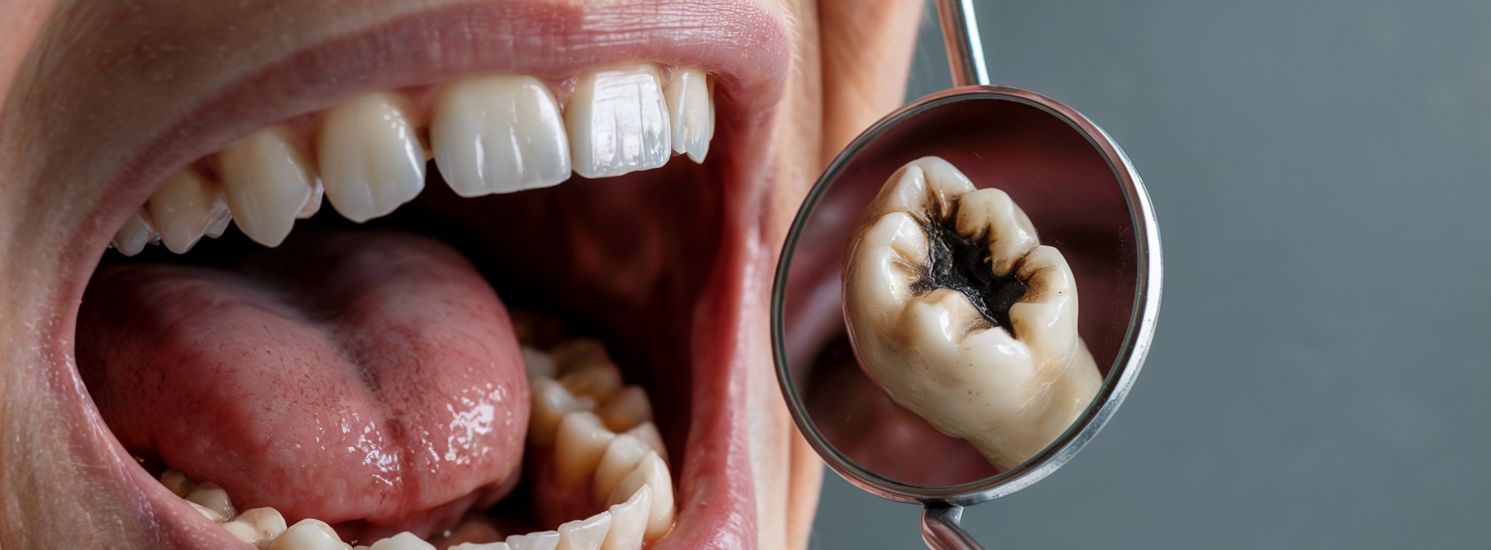
Children’s molars are more prone to cavities because of their shape and location.
Unlike front teeth, molars have uneven chewing surfaces with grooves, pits, and fissures. These areas are useful for chewing food, but they can also trap food particles and plaque.
Children may also find it harder to brush the back teeth properly. Sometimes, they brush the front teeth well but miss the back teeth because they are harder to reach.
Other factors can also increase cavity risk, such as:
- Frequent snacking
- Sugary drinks
- Sticky foods
- Inconsistent brushing
- Brushing without parent supervision
- Naturally deep tooth grooves
- Previous cavities
- Not attending regular dental check-ups
This is why cavity prevention for children usually needs a combination of good brushing, diet control, fluoride, regular dental visits, and sometimes dental sealants.
What Happens During a Dental Sealant Appointment?
A dental sealant appointment is usually simple and comfortable.
Before placing a sealant, the dentist will first examine the tooth to confirm that it is suitable. This is important because a normal preventive sealant is usually placed on a tooth that does not have decay requiring removal.
The process may look like this:
- The dentist examines the tooth.
- The tooth surface is cleaned.
- The tooth is dried.
- The sealant material is applied into the grooves.
- A curing light may be used to harden the material.
- The dentist checks the bite to make sure it feels comfortable.
For most children, a preventive sealant does not involve drilling or injections. The appointment is usually quick. The main challenge for younger children is often keeping the mouth open long enough, not pain.
However, if early decay is found before sealing, the dentist may need to treat the decay first. This could involve removing the decayed area, and in some cases, local anaesthetic may be needed. Parents should discuss this during the consultation so they know what to expect.
A kid-friendly dentist will usually explain the process in simple words, use a calm tone, and help the child feel comfortable throughout the visit.
Are Dental Sealants Painful for Kids?
In most cases, dental sealants are not painful.
A normal preventive sealant does not usually require drilling, injections, or anaesthetic. Your child may feel water, air, cotton rolls, or dental tools around the mouth, but the procedure itself is usually comfortable.
The child may only need to keep the mouth open for a short time while the dentist cleans, dries, and seals the tooth.
Some children may feel nervous because the experience is new. This is normal.
A pediatric dentist or kid-friendly dentist can help by:
- Explaining each step gently
- Using child-friendly language
- Allowing short breaks
- Giving encouragement
- Keeping the visit calm and positive
- Avoiding a rushed experience
If decay is discovered during the assessment and needs to be treated before sealing, the experience may be different. Parents should ask the dentist about this possibility during the consultation.
For many children, sealants can be a good introduction to preventive dental care because the procedure is usually simple and non-invasive.
Dental Sealants vs Fluoride: What Is the Difference?
Parents sometimes ask whether their child still needs sealants if they already use fluoride toothpaste.
The simple answer is that sealants and fluoride protect teeth in different ways.
Treatment | Main Purpose | What It Protects |
Dental sealants | Cover deep grooves on molars | Chewing surfaces of back teeth |
Fluoride | Strengthens enamel against acid | All tooth surfaces throughout the mouth |
Brushing and flossing | Removes plaque and food | All surfaces, including between teeth |
Sealants protect specific areas, usually the grooves of the back teeth. Fluoride helps strengthen tooth enamel more generally and supports overall cavity prevention.
They can work together. A child may still benefit from fluoride toothpaste, brushing, flossing, and regular dental check-ups even after getting sealants.
Parents should not treat sealants as a replacement for daily oral hygiene. Sealants protect grooves, but brushing and flossing are still needed to clean the rest of the mouth.
How Long Do Dental Sealants Last?
Dental sealants can remain effective for approximately 5 to 10 years, although this can vary depending on chewing habits, oral hygiene, tooth condition, and the material used.
Over time, chewing can wear sealants down. Sometimes part of the sealant may chip, thin out, or come off. This does not always mean the treatment has failed, but it does mean the sealant should be checked during regular dental visits.
During check-ups, the dentist can see whether the sealant is still intact. If part of the sealant has worn off, it may need to be repaired or reapplied.
Parents should not assume that once a sealant is placed, the tooth no longer needs attention. The tooth still needs brushing, and the sealant still needs monitoring.
Regular dental check-ups are important to confirm that the sealant is still protecting the grooves properly.
Does Every Child Need Dental Sealants?
No, not every child needs dental sealants.
Sealants are usually recommended based on the child’s individual cavity risk and tooth shape. Some children may benefit from them early, while others may not need them.
A dentist may recommend sealants if your child has:
- Deep grooves on molars
- Newly erupted permanent molars
- Difficulty brushing back teeth
- A history of cavities
- Higher plaque build-up
- Frequent sugary snacks or drinks
- Higher overall risk of tooth decay
The decision should be based on a clinical assessment of the individual child. It should not be treated as a routine procedure that every child automatically needs.
This is why regular check-ups are useful. The dentist can monitor tooth eruption, check cavity risk, and recommend preventive care at the right time.
Why See a Pediatric Dentist or Kid-Friendly Dentist?
Children are not just small adults. They may feel nervous, distracted, curious, or unsure during dental visits.
A pediatric dentist or kid-friendly dentist understands how to communicate with children and make dental care easier for them. This matters because a child’s early dental experiences can shape how they feel about dental visits later.
For dental sealants, a kid-friendly approach can help the child:
- Understand what is happening
- Feel less afraid
- Stay calm during the procedure
- Cooperate more comfortably
- Build confidence for future visits
The visit should feel calm, simple, and not rushed. A dentist who is experienced with children can explain each step gently and help the child feel more comfortable.
For parents, the dentist can also explain brushing technique, toothpaste use, diet habits, cavity risk, and whether sealants are actually needed.
Common Parent Questions About Dental Sealants for Kids
Are dental sealants safe for children?
Dental sealants are generally considered safe for children when they are recommended and applied by a dental professional.
Your dentist can explain the material used, why it is suitable, and whether your child needs it based on their tooth condition and cavity risk.
Can sealants be placed on baby teeth?
Sometimes, sealants may be considered for baby teeth if the child has deep grooves or a higher risk of cavities. However, they are more commonly discussed for permanent molars.
The dentist will assess the tooth before recommending treatment.
Will my child still need to brush after getting sealants?
Yes. Sealants do not replace brushing.
Sealants only cover the chewing surfaces of molars. Your child still needs to brush twice daily with appropriate toothpaste, clean properly around the gums, floss where needed, and attend regular dental check-ups.
Can sealants fall out?
Yes, sealants can wear down, chip, or come off over time. This is why they should be checked during routine dental visits.
If a sealant is damaged, the dentist may recommend repairing or replacing it.
How often should sealants be checked?
Sealants should be checked during your child’s regular dental visits.
The dentist will look at whether the sealant is still covering the grooves properly and whether any repair or reapplication is needed.
Are sealants only for children with cavities?
No. Sealants are usually preventive, which means they are often placed before cavities develop.
If a tooth already has decay, the dentist will need to assess whether a sealant is suitable or whether another treatment is needed first.
What This Means for Your Child’s Oral Health
Dental sealants can be a simple preventive step for children who are at risk of molar cavities.
They are especially useful when molars have deep grooves that are difficult to clean. By covering those grooves, sealants can make it harder for food and bacteria to collect on the chewing surfaces.
However, sealants are only one part of prevention. They work best together with good brushing habits, fluoride toothpaste, a balanced diet, and regular dental check-ups.
Parents should not wait until tooth pain appears. The main benefit of seeing a pediatric dentist or kid-friendly dentist early is that problems can be identified before they become painful.
A dentist can assess whether sealants are needed based on your child’s teeth, oral hygiene habits, diet, and cavity risk.
Preventive care is often simpler, less stressful, and easier for children to accept compared to treatment after a cavity has already developed.
Book a Kids Dental Check-Up With Dental Home
If you are unsure whether your child needs dental sealants, the best next step is a dental check-up.
A dentist can assess your child’s molars, check for early cavity risk, and explain whether sealants are suitable. If your child does not need sealants, the dentist can still guide you on brushing, fluoride use, diet, and regular preventive care.
At Dental Home, our team aims to make children’s dental visits calm, clear, and comfortable for both parents and kids.
If you would like to check whether dental sealants are suitable for your child, book a visit with a kid-friendly dentist today.