
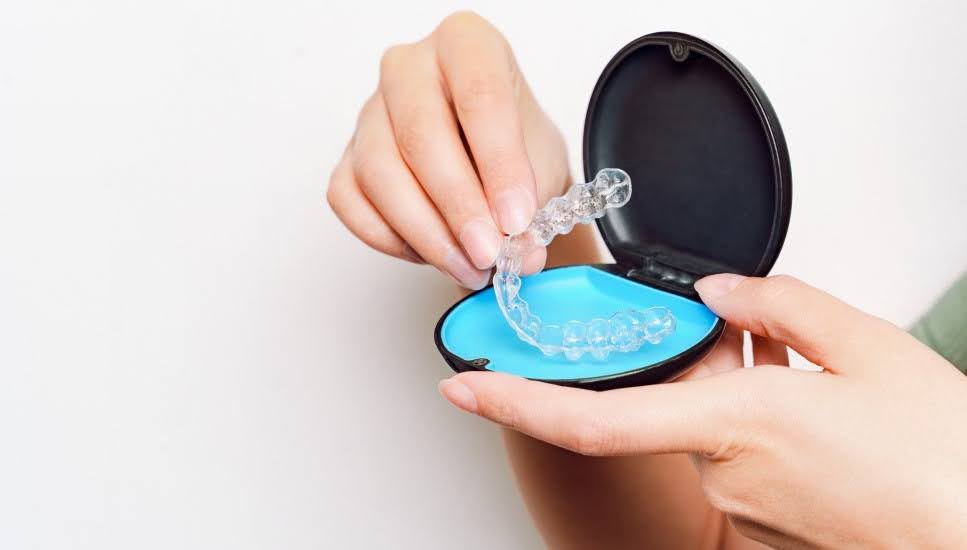
Finishing Invisalign treatment is genuinely worth celebrating, but it isn’t quite the finish line. The next phase, retention, is what actually protects the result you’ve just spent months achieving. Skip it, and teeth can begin drifting back toward their original position, sometimes within the first few months.
In short: teeth shift back after any orthodontic treatment because the bone and ligaments holding them need time to stabilise in their new position, and without a retainer they naturally drift back. Vivera, Align Technology’s official retainer, is the standard recommendation after Invisalign: worn full-time for the first few months, then nightly on an ongoing basis. This guide covers why relapse happens, what makes Vivera different, how long retainers last, and what they cost in Malaysia.
Why Teeth Shift Back Without a Retainer
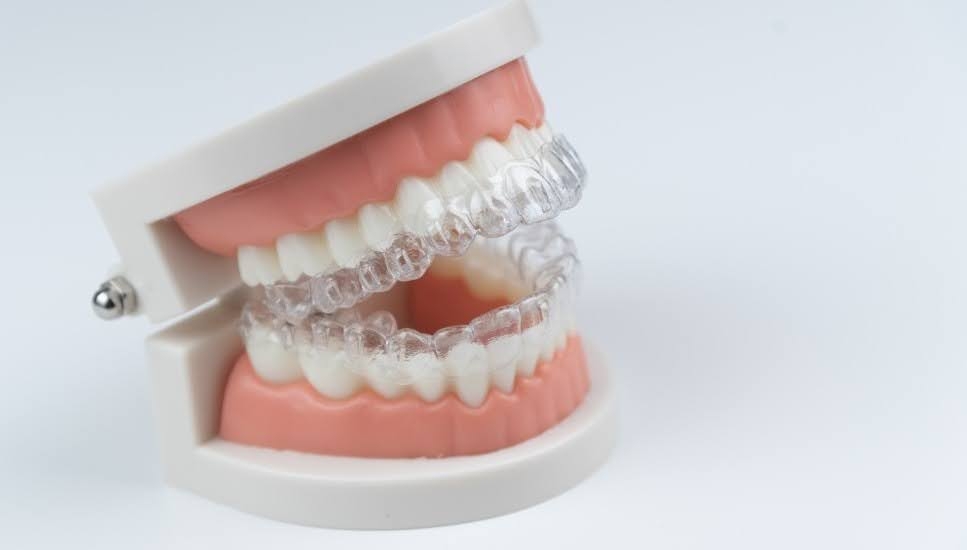
It can feel unfair that teeth would move again after months of careful, gradual treatment, but the biology behind it is well understood and well documented. Your teeth aren’t rigidly fused to your jawbone. Each tooth sits in its socket, held by the periodontal ligament, a web of fibres connecting root to bone. When Invisalign moves a tooth, it does so by triggering the bone on one side to break down and new bone to form on the other, a process called bone remodelling.
Here’s the part that explains why retention matters so much. When active treatment ends, that newly formed bone is still immature, and the ligament fibres haven’t finished reorganising around the tooth’s new position. A systematic review of orthodontic retention indexed in PubMed Central puts a specific timeline on this: full-time retention for at least three to four months is considered necessary to give the periodontal ligament time to reorganise, with continued night-time wear recommended for several months beyond that as the surrounding tissue fully stabilises. Skip this window, and the same natural forces that once resisted your treatment can gradually pull teeth back toward where they started.
This isn’t a sign anything went wrong with your treatment. It’s simply how the body responds after any orthodontic movement, whether from braces or Invisalign, which is exactly why retention is treated as a standard, expected part of the process rather than an optional extra.
What Are Vivera Retainers?
Vivera is Align Technology’s own retainer, from the same company behind Invisalign. Rather than a generic clear retainer moulded from off-the-shelf plastic, Vivera retainers are produced using the same precision digital scanning and manufacturing process as your Invisalign aligners, with a proprietary thermoplastic material specifically engineered for long-term strength.
According to Align Technology’s own retainer information, Vivera retainers are at least 30% stronger and twice as durable as other leading clear retainers. That matters more than it might sound. Standard clear retainers can begin to warp or lose their shape after just a couple of months of regular wear, particularly with exposure to heat. A retainer that’s warped even slightly can no longer hold your teeth precisely where they need to be, which defeats the purpose. Vivera retainers are also BPA-free and typically supplied in multiple sets per order, so you always have a spare on hand if one is lost or damaged.
Vivera Retainers vs Regular Clear Retainers
Both Vivera and standard clear retainers do the same core job: holding your teeth in position after orthodontic treatment. The differences come down to how they’re made, what they’re made from, and what you get in each order. The table below sets them side by side.
| Feature | Vivera retainers | Standard clear retainers |
|---|---|---|
| Manufacturer | Align Technology, the makers of Invisalign | Produced by a dental laboratory |
| Production method | Digital scan and precision manufacturing, the same process as Invisalign aligners | Made from a physical mould or a digital scan, depending on the clinic |
| Material | Proprietary thermoplastic engineered for durability, at least 30% stronger and twice as durable per Align | Standard clear retainer plastic, more prone to warping over time |
| Sets per order | Typically supplied in multiple sets, so a spare is on hand | Usually a single set per order |
| Durability | Built to resist warping and daily wear for longer | Can lose shape after a few months, especially with heat exposure |
| Cost | Higher, reflecting the branded, multi-set, durable product | Lower per set |
The most suitable option depends on your treatment history, your bite, your lifestyle, and your dentist’s recommendation. A patient who tends to misplace things may value Vivera’s multiple sets, while another may be well served by a standard retainer replaced as needed.
Whichever you choose, one point holds regardless of brand: consistent wear matters far more than the retainer you pick. Even the most durable retainer can’t protect your result if it isn’t worn as advised.
Full-Time vs Night-Time Wear: What the Evidence Suggests
Retainer wear generally follows two phases, though the exact timeline your dentist recommends may vary slightly based on your case.
Phase one: full-time wear
Based on the periodontal ligament research cited above, most protocols call for near-full-time wear, removing only for eating and cleaning, for roughly the first three to four months after treatment ends. This is the highest-risk window for relapse, since the surrounding bone and ligament are still actively stabilising.
Phase two: night-time wear
Once your dentist confirms your teeth have stabilised, wear typically shifts to nights only. Many dentists recommend continuing this indefinitely, since stopping altogether reintroduces the risk of gradual shifting at any point in the future, even years later.
Every case is different, and your dentist will confirm the exact schedule that fits your treatment. But the underlying principle holds regardless of the specific timeline: consistency during the early months matters most, and night-time wear afterwards is a long-term habit, not a short-term formality.
Signs It’s Time to Replace Your Retainer
Even Vivera’s stronger material doesn’t last indefinitely. A few signs it’s worth arranging a replacement:
- Visible cracks, chips, or cloudiness that cleaning doesn’t resolve
- The retainer no longer snaps fully into place, or feels noticeably looser than before
- A section has become warped or no longer sits flush against your teeth
- It’s been lost, or damaged beyond wearing safely
If you’re unsure whether a retainer is still doing its job, it’s better to check with your dentist than to keep wearing one that’s no longer fitting properly. An ill-fitting retainer can’t reliably hold your teeth in position.
How Long Retainers Last
With proper care, a single set of Vivera retainers can last several years. Because Vivera is typically supplied in multiple sets, many patients rotate through a new set roughly once a year, keeping a fresh, precisely fitting retainer in use while older sets serve as backups. This is one of the practical advantages of ordering in sets rather than a single tray: you’re rarely without a working retainer while waiting on a replacement.
Retainer Care and Cleaning
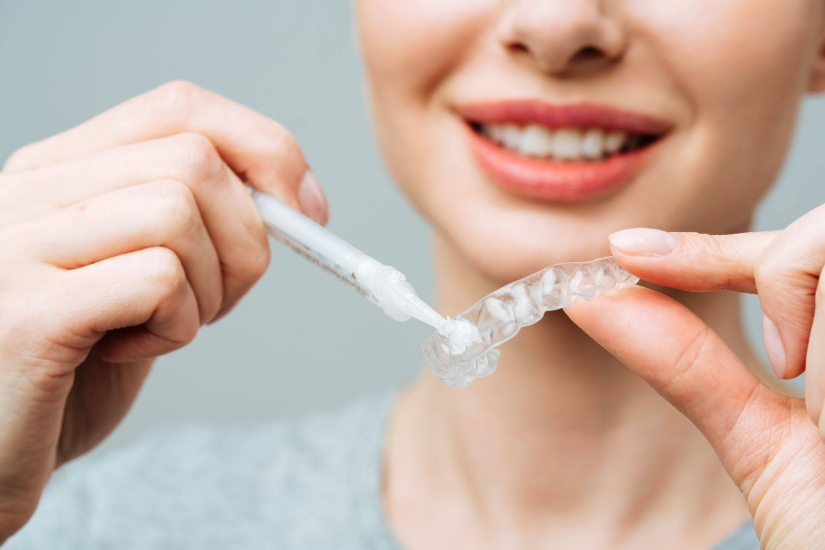
Image alt text: Person cleaning a clear Invisalign retainer with a brush as part of retainer care routine
Looking after your retainers properly extends how long each set lasts and keeps them hygienic for nightly wear:
- Rinse before and after wear, and brush gently with a soft toothbrush. Avoid regular toothpaste, which can be abrasive enough to dull the clear plastic over time.
- Never use hot water to clean or soak your retainers. Heat is one of the fastest ways to warp thermoplastic material, and a warped retainer can shift your teeth in the wrong direction rather than holding them in place.
- Use a dedicated retainer or aligner cleaning product periodically, widely available at Malaysian pharmacies, for a deeper clean than brushing alone provides.
- Store them in their case whenever they’re out of your mouth. Malaysia’s humid climate makes retainers left loose on a tissue or countertop more prone to bacterial growth and accidental damage than in cooler, drier climates.
What Happens If You Stop Wearing Your Retainer
If retainer wear lapses for an extended period, some degree of shifting is common, and how noticeable it becomes depends on how long it’s been and how far your teeth move before you notice. In mild cases, a new retainer alone can correct things, once teeth are gently guided back with a short course of aligners. In more significant cases, a more involved course of treatment may be needed to reverse the shift. Either way, catching it early and returning to your dentist promptly makes any correction simpler than waiting.
A Note on Choosing an Experienced Provider
Retention might seem like the simplest part of orthodontic treatment, but getting the details right depends on the experience of the team managing your care: the correct timing, the right type of retainer for your case, and catching early signs of relapse before they progress. As a certified Invisalign Black Diamond Provider, Dental Home’s doctors build a long-term retention plan into every patient’s treatment from the outset, rather than treating it as an afterthought once your last aligner is done.
Cost of Retainers in Malaysia
Standard clear (Essix) retainers in Malaysia typically range from around RM300 to RM600 per set, though prices vary by clinic and retainer design. As a premium, multi-set branded product engineered specifically for durability, Vivera generally costs more than a standard single-tray clear retainer.
Dental Home’s Vivera pricing is as follows:
| Feature | Vivera retainers | Standard clear retainers |
|---|---|---|
| Manufacturer | Align Technology, the makers of Invisalign | Produced by a dental laboratory |
| Production method | Digital scan and precision manufacturing, the same process as Invisalign aligners | Made from a physical mould or a digital scan, depending on the clinic |
| Material | Proprietary thermoplastic engineered for durability, at least 30% stronger and twice as durable per Align | Standard clear retainer plastic, more prone to warping over time |
| Sets per order | Typically supplied in multiple sets, so a spare is on hand | Usually a single set per order |
| Durability | Built to resist warping and daily wear for longer | Can lose shape after a few months, especially with heat exposure |
| Cost | Higher, reflecting the branded, multi-set, durable product | Lower per set |
Each order covers the sets supplied. Replacements for lost or damaged retainers are charged separately rather than under a replacement policy. Your dentist can confirm current pricing and whether it’s included as part of your overall Invisalign treatment plan or billed separately during your consultation.
Protect Your New Smile with the Right Retainer Routine
Your retainer is what turns a temporary result into a permanent one. It holds everything your Invisalign treatment achieved in place while your bone and ligaments catch up, and wearing it consistently, especially in those first few months, is one of the biggest factors in whether your smile stays exactly as planned. Vivera retainers give you a clear, precisely fitted, digitally produced way to do that, built to hold up to daily wear far better than a standard clear retainer. But even the best retainer only works if it still fits properly, which is why your treating dentist should check yours periodically rather than assuming it’s still doing its job.
Finishing your Invisalign treatment soon? Speak with the Dental Home Malaysia team about Vivera retainers, your recommended wear schedule, and how to protect your new smile for the long term.
Frequently Asked Questions
Do I really need to wear retainers forever?
Most dentists recommend at least some level of night-time retainer wear indefinitely. Teeth can shift at any point in life, not just in the months immediately after treatment, so stopping entirely reintroduces the risk of gradual relapse even years down the line. Your dentist can advise on a long-term schedule that fits your case.
What happens if I lose my retainer?
Contact your dentist as soon as possible. The longer you go without a retainer, particularly in the months right after treatment, the greater the chance of some shifting occurring. Because Vivera retainers are supplied in multiple sets, many patients already have a spare on hand. If not, your dentist can arrange a replacement using your existing digital scan.
Are Vivera retainers included in the cost of Invisalign treatment?
This varies by provider and treatment plan. Some include an initial set as part of the overall package, while others bill retainers separately. Ask your dentist to confirm exactly what’s included in your treatment plan during your consultation.
Can I switch to a different type of retainer later?
Yes, in most cases. If your circumstances change, your dentist can discuss whether a fixed retainer or a different removable option might suit you better, though Vivera remains the standard recommendation directly after Invisalign treatment for most patients.
About the Author
Dr Shaun Tan Pei Shian — BDS (IMU), MDC 7669
Dr Shaun is a founder and lead Invisalign provider at Dental Home, with 12 years of experience in clear aligner treatment. He practises at the Link 2, Bukit Jalil clinic. Learn more about our doctors.