
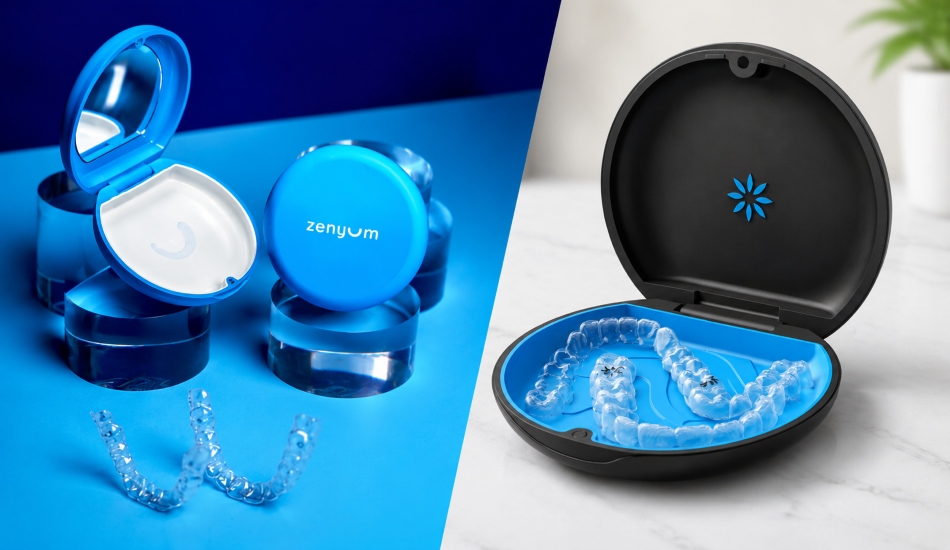
If you’ve started researching clear aligners in Malaysia, you’ve almost certainly come across both Invisalign and Zenyum. Both promise a straighter smile without metal brackets and wires, and both have a loyal following of happy patients. But they’re built on genuinely different models of care, and the right choice depends less on which brand is “better” and more on which one actually fits your case, your budget, and how closely you want a dentist involved in your treatment.
Invisalign is generally the better choice for more complex cases, bite correction, and patients who want close, in-person supervision from a treating dentist throughout treatment. Zenyum tends to suit milder cases and patients who prioritise lower cost and fewer clinic visits, with pricing in Malaysia starting at around RM7,499, compared to Invisalign’s RM8,000 to RM20,000+. The right choice ultimately comes down to your case complexity, your budget, and how much hands-on involvement from the dentist you want. A clinical assessment is the only way to know for certain.
This guide breaks down exactly why by comparing Invisalign and Zenyum across the factors that matter most to patients in Malaysia: case complexity, clinical oversight, cost, and the underlying technology of each system.
What is Zenyum?
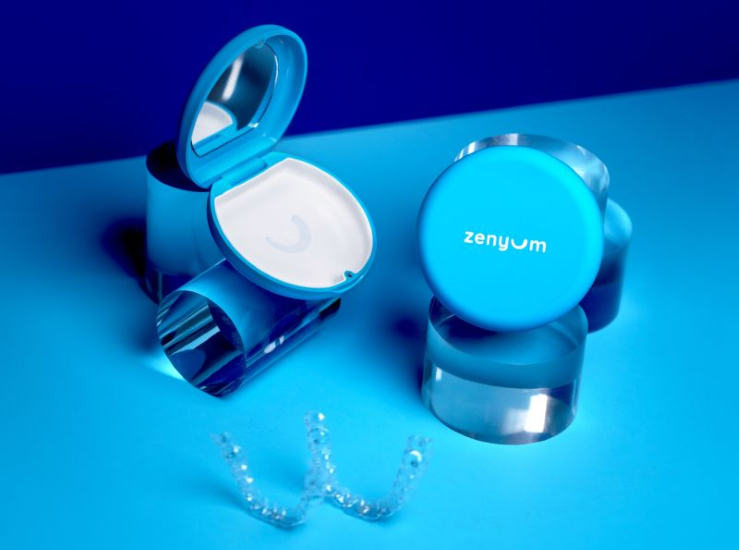
Zenyum is a clear aligner brand that originated in Singapore and has since expanded across several markets in Asia, including Malaysia. Patients typically start with a free online smile assessment, then visit one of Zenyum’s partner dental clinics for a 3D scan, X-ray, and oral examination. From there, a treating dentist designs a treatment plan, and custom aligners are manufactured and shipped for fitting.
Zenyum’s defining feature is its app-based monitoring model: once your aligners are fitted, most progress checks happen by submitting photos through the Zenyum app rather than returning to the clinic in person. This reduces the number of physical visits required and is a major reason Zenyum positions itself as a more affordable, convenience-led option generally best suited to mild-to-moderate alignment cases.
What is Invisalign?
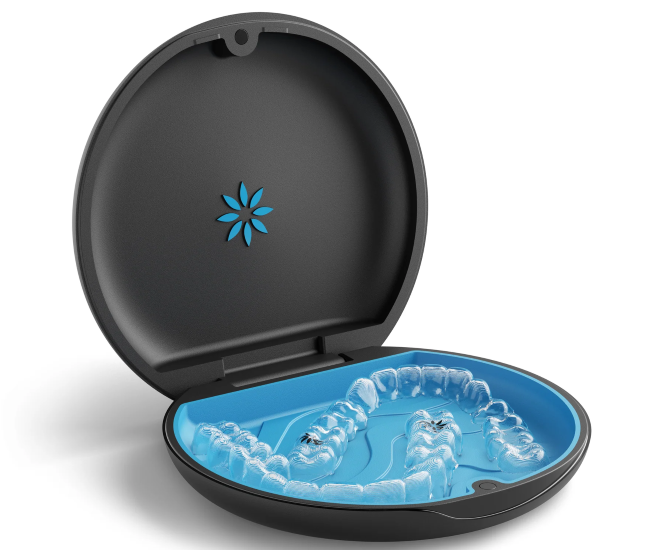
Invisalign is the original clear aligner system, developed by Align Technology and used by dentists and orthodontists in more than 90 countries. Unlike app-led models, Invisalign treatment is planned and adjusted directly by your treating dentist, using a 3D digital scan (Dental Home uses the iTero scanner) to map out your entire treatment from start to finish before any aligners are made.
Because Invisalign’s SmartTrack aligner material and attachment system allow for a wider range of controlled tooth movements, it can treat a broader spectrum of cases, from mild crowding and spacing issues to more complex bite issues such as overbites, crossbites, and significant crowding.
Key Differences Between Invisalign and Zenyum
Both systems use clear, removable aligners and modern digital planning, but the differences below are where you should actually make your decision.
Clinical Oversight & Monitoring
At Dental Home, Invisalign treatment is led in person by your treating dentist, with regular clinic visits to check your progress and make adjustments along the way. It’s worth noting that Align Technology, the company behind Invisalign, does also offer remote monitoring tools that some providers use to supplement care, so the real difference between the two systems isn’t “in-person only” versus “remote only.” It comes down to the frequency and depth of in-person oversight: Invisalign treatment at Dental Home is built around consistent, hands-on dentist involvement throughout your journey, rather than periodic remote check-ins being the default model.
Zenyum, by contrast, is built around remote monitoring from the outset. After your initial in-clinic scan and aligner fitting, most progress checks occur through the app, with far fewer return visits, typically only two to three clinic visits throughout the entire course of treatment.
Case Complexity Each Can Treat
Invisalign can treat a wide range of cases, from mild spacing and crowding through to more complex orthodontic issues, including overbite, crossbite, and significant crowding that requires bite correction.
Zenyum is generally positioned for mild-to-moderate alignment cases, gaps, minor crowding, and rotations. Zenyum does offer a higher tier (ZenyumClear Plus) intended for more involved cases, but more complex bite corrections are generally better suited to Invisalign’s scope due to the closer in-person supervision available to manage more challenging tooth movements throughout treatment.
Cost Comparison in Malaysia
Zenyum is the more budget-friendly option, with pricing in Malaysia typically starting at around RM7,499 for its standard tier and increasing for the higher Plus tier, which is used for more complex cases.
Invisalign costs more, generally starting at around RM8,000 for minor corrections and reaching RM20,000 or more for comprehensive treatment of complex cases, reflecting the more extensive planning, in-person supervision, and broader range of correctable issues involved.
Keep in mind that pricing for both systems varies by clinic, promotion, and individual case, so these figures are a guide rather than a quote. The only way to get an accurate price for your own teeth is a clinical assessment.
Technology & Materials
Invisalign uses Align Technology’s proprietary SmartTrack aligner material, paired with iTero 3D digital scanning for precise treatment mapping and simulation before treatment begins.
Zenyum uses its own aligner material and a more standardised treatment-planning process, designed to streamline manufacturing and keep costs down for less complex cases.
Doctor Continuity & Treatment Control
With Invisalign at Dental Home, the same treating dentist manages your case from your first consultation through to your final aligner, making continuous, hands-on refinements as your teeth respond to treatment.
With Zenyum, treatment is provided by a partner clinic dentist, and most progress is monitored remotely via the app. This generally means less frequent, direct interaction with your treating dentist than in a fully in-clinic model, since much of your journey occurs between visits rather than during them.
Which One Is Right for You?
Neither system is universally “better”; they’re designed for different needs. As a general guide:
Consider Invisalign if:
- Your case involves more complex alignment or bite correction
- You want close, ongoing supervision from your treating dentist
- You’re prioritising treatment precision over cost
Consider Zenyum if:
- Your case is mild crowding or spacing
- You’re working with a tighter budget
- You’d prefer fewer clinic visits and value convenience
If you’re not sure which category your case falls into, that’s exactly what a consultation is for — a quick clinical assessment will tell you which system is actually appropriate for your teeth, rather than guessing from a price list.
Why Dental Home Patients Choose Invisalign
Dental Home is a certified Invisalign Black Diamond Provider, one of the top-tier recognitions awarded by Align Technology in Malaysia, and has treated more than 2,000 patients with Invisalign aligners, including cases involving bite correction and tooth extractions.
You can read more about what Black Diamond Invisalign Provider status actually means here.
For patients who want the reassurance of an experienced, dentist-led treatment team and a system capable of handling their case regardless of complexity, that combination of credentialing and case volume is why most Dental Home patients choose Invisalign over a remote-monitoring alternative.
Invisalign or Zenyum: Make the Choice Based on Your Smile
Both Invisalign and Zenyum offer a discreet and convenient way to straighten your teeth, but they are designed for different treatment needs. Zenyum may be suitable for patients with mild alignment concerns who prefer a lower-cost, app-based experience with fewer clinic visits. Invisalign may be the stronger choice for more complex tooth movements, bite correction, and patients who value regular, hands-on guidance from the same treating dentist. Ultimately, the best clear aligner is not determined by the brand alone, but by how well the treatment plan suits your teeth, lifestyle, and long-term goals. A professional dental assessment can help you understand your options clearly and choose the safest, most appropriate path towards a straighter smile.
Frequently Asked Questions
Is Zenyum cheaper than Invisalign?
Yes, generally. Zenyum’s standard tier typically starts at around RM7,499 in Malaysia, while Invisalign starts at around RM8,000 and can reach RM20,000 or more for complex cases. The price difference largely reflects the level of in-person supervision and the range of cases each system can treat.
Can Zenyum treat the same cases as Invisalign?
Not entirely. Zenyum is generally best suited to mild-to-moderate cases such as minor crowding, spacing, or rotations. Invisalign can treat a broader range of cases, including more complex bite corrections such as overbites and crossbites, partly due to its wider attachment system and closer in-person oversight.
Is Invisalign worth the extra cost?
For patients with more complex alignment or bite issues, or who want close, ongoing supervision from a dentist they see in person, most find the additional cost reflects the broader treatment capability and more hands-on care involved. For simpler cases on a tighter budget, Zenyum can be a reasonable option; a clinical assessment is the best way to know which applies to you.
How long does Invisalign treatment take vs Zenyum?
Both vary by case. Zenyum treatment generally runs from around 3 months for mild cases up to 15 months for more complex tiers. Invisalign treatment is broadly similar, ranging from around 6 months for mild cases to 18 months or longer for more complex bite corrections.
Do both require retainers after treatment?
Yes. With any clear aligner system, teeth can shift back over time without a retainer. Both Invisalign and Zenyum patients are advised to wear retainers after active treatment to maintain their results in the long term.