
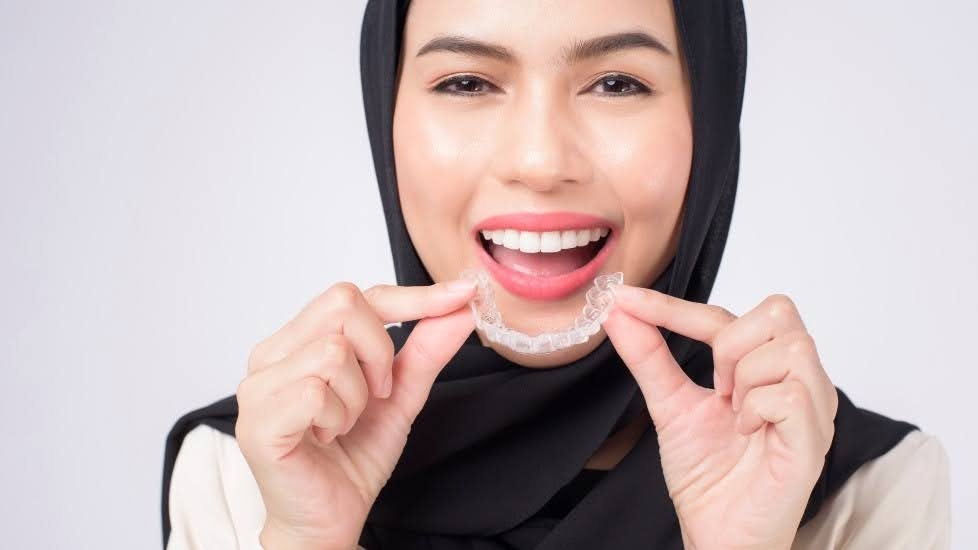
Image alt text: Patient holding a clear Invisalign aligner during treatment refinement
Hearing your dentist say you need a “refinement” partway through Invisalign treatment can feel unsettling, as though something has gone wrong or your teeth simply aren’t cooperating. Take a breath. In the vast majority of cases, a refinement is a planned, expected part of getting your teeth to their final, precise position, not a setback.
In short: a refinement is a new set of Invisalign aligners ordered after your original series to complete any small movements that didn’t finish exactly as planned. It happens because certain tooth movements are inherently harder to predict with any clear aligner system, not because of something you or your dentist did wrong. This guide covers what refinements are, why they occur, how to reduce your chances of needing multiple rounds, and how they affect your timeline and costs.
What Is a Refinement in Invisalign Treatment?
A refinement is an additional set of clear aligners ordered once you’ve finished wearing your original series. Rather than starting treatment over, your dentist takes a fresh digital scan of where your teeth actually are, compares it against the original plan, and designs a short, targeted new set of aligners to close the remaining gap.
Refinements use the same material and process as your original aligners. The only difference is that they make smaller, more precise adjustments, since most of the planned movement has already happened. Most refinement series involve only a handful of trays, not another full course of treatment.
Why Teeth Sometimes Don’t Track Exactly as Planned
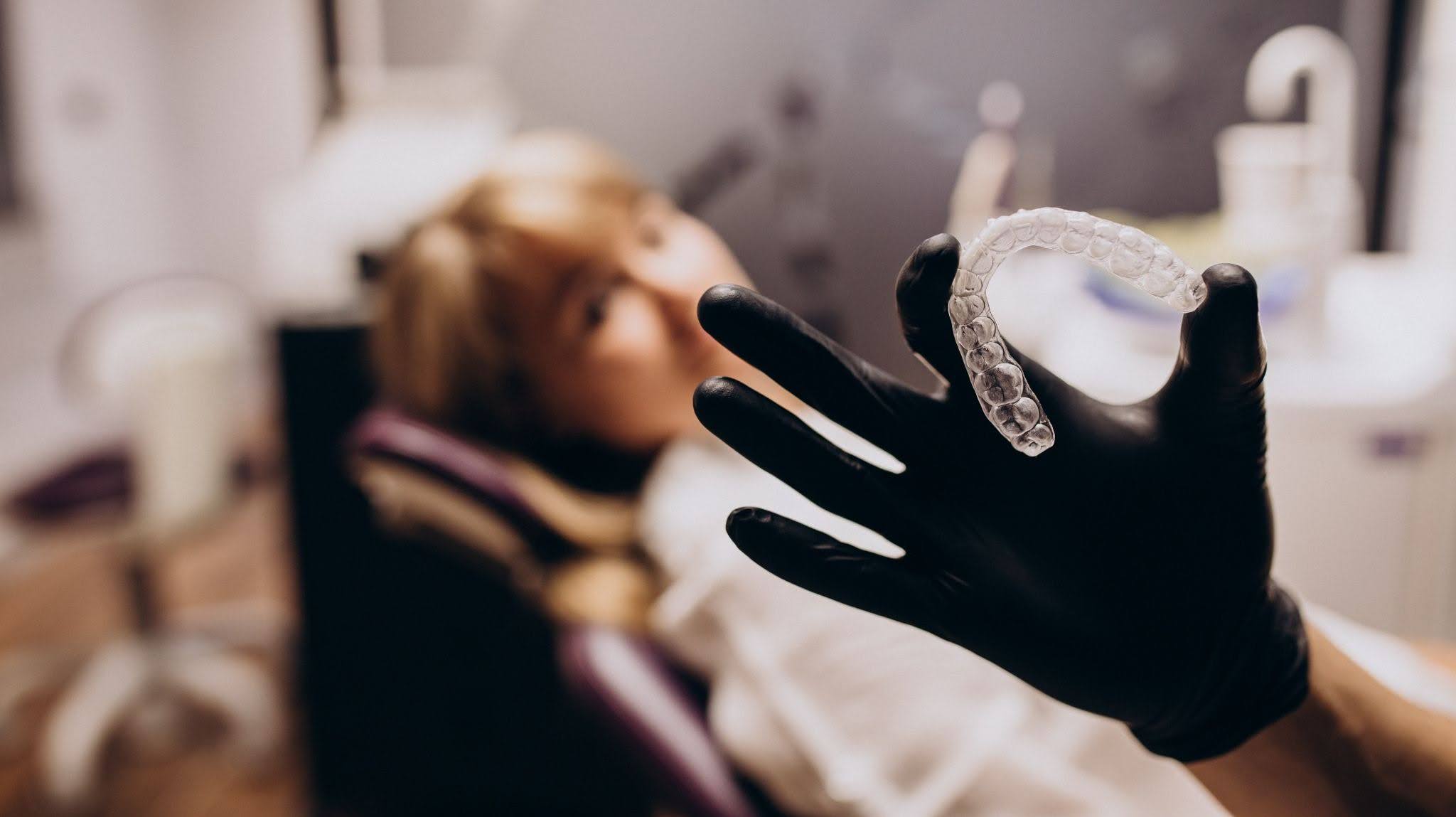
Clear aligner treatment is remarkably precise, but it isn’t perfect, and this is true across every aligner brand, not just Invisalign. There are two main reasons a plan and reality can drift apart.
Biology is genuinely unpredictable
Peer-reviewed research on clear aligner predictability consistently finds that movements like rotation, extrusion, and intrusion, particularly on canines, premolars, and back teeth, are noticeably less predictable than simpler movements like tipping. This isn’t a flaw specific to any one provider or brand. It is a well-documented characteristic of how aligner materials interact with different tooth shapes, root positions, and the surrounding bone as it remodels during movement.
Wear time matters more than most patients expect
Invisalign aligners are designed to be worn 20 to 22 hours a day. Every hour an aligner sits in its case rather than on your teeth is an hour the planned movement isn’t happening, and small gaps in wear time can add up over weeks into a noticeable difference between the digital plan and where your teeth actually are.
Both factors are completely normal parts of orthodontic treatment. Your dentist accounts for them by monitoring your progress closely and planning a refinement whenever needed to reach your goal precisely.
Signs Your Aligners May Not Be Tracking Well
Catching a tracking issue early is one of the simplest ways to keep your treatment on schedule. A few signs are worth mentioning to your dentist before your next scheduled visit:
- A new aligner doesn’t fully seat, even after several days of consistent full-time wear
- You notice a small visible gap between the aligner edge and your tooth, rather than a snug fit
- One aligner feels like it’s “floating” or lifting off a specific tooth while the rest fit normally
- Pressure feels sharp or localised to one spot, rather than the mild, even pressure that’s typical after a tray change
None of these are emergencies, and none of them means anything has gone wrong. But mentioning them promptly, rather than continuing to change trays on schedule and hoping the issue resolves itself, gives your dentist the chance to check in sooner and keep any adjustment as small as possible.
What Happens During a Refinement Scan
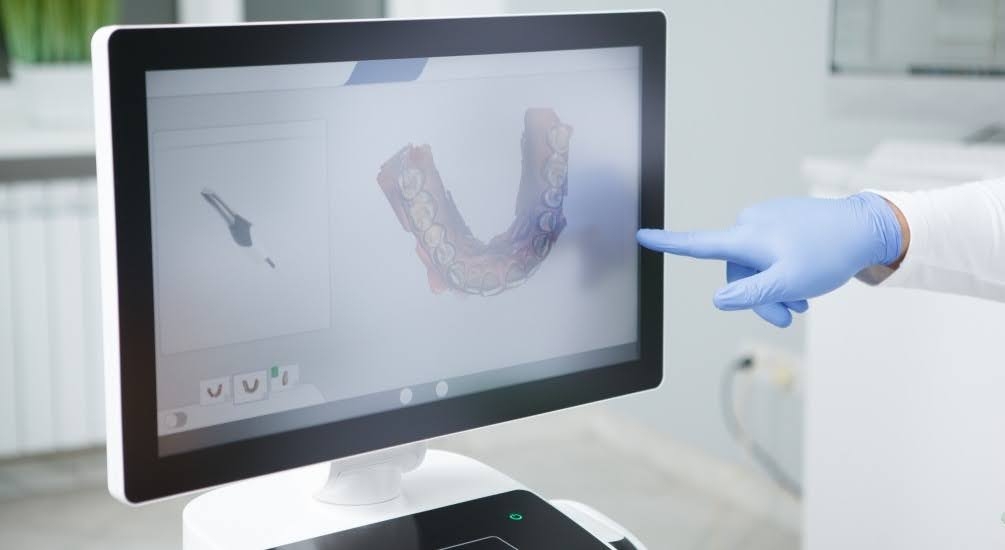
If your dentist identifies that a refinement is needed, the process is straightforward and uses the same technology as your original treatment plan.
You’ll have a new digital scan taken to capture exactly where your teeth are now. At Dental Home, this uses the same iTero digital scanner used from day one. Your dentist reviews this against your original goals and designs an updated digital treatment plan, adjusting for whatever hasn’t tracked as expected. Once approved, your new aligners are manufactured, which typically takes a couple of weeks. You then wear them on the same schedule as before: full-time, changing to the next aligner roughly every one to two weeks.
Does a Refinement Mean My Treatment Failed?
No. Needing an Invisalign refinement does not mean your treatment has failed.
This is one of the most common misconceptions about refinements, and it’s worth addressing directly: needing one does not mean your treatment plan failed or that your dentist made a mistake. Given how well documented the research above is across the orthodontic field, refinements are better understood as a normal checkpoint built into achieving a precise result, not a deviation from a “correct” outcome. Most patients who need one are simply completing the final, more detailed stage of their treatment, the part where the last small movements get polished into place.
How to Reduce Your Chances of Needing Multiple Refinements
You can’t control biology, but you do have real influence over how closely your treatment tracks the original plan. A few things make the biggest difference.
Protect your wear time
Aim to keep your aligners in for 20 to 22 hours a day, every day. Removing them for meals and brushing is expected. The goal is simply to get them back in promptly afterwards rather than letting “a few extra minutes” turn into hours.
Take attachments and IPR seriously
If your treatment plan includes attachments or interproximal reduction, these aren’t optional extras. They are specifically there to give your aligners better control over the harder-to-predict movements described above. If an attachment feels loose or falls off, let your dentist know rather than waiting for your next scheduled visit. Our guide to Invisalign attachments, IPR, and elastics covers what each of these does and why they matter for keeping treatment on track.
Attend every check-in
Progress reviews, typically every six to eight weeks, are when your dentist catches a tracking issue early, often before it’s noticeable to you. Skipping or delaying these appointments makes it harder to course-correct with a small adjustment rather than a longer refinement later.
Report tracking issues as soon as you notice them
Use the signs listed above rather than continuing on schedule and hoping the next aligner fits better.
None of this guarantees you’ll avoid refinement entirely. As the research above shows, some of this is simply outside anyone’s control. But consistent wear and early communication are the two factors patients can genuinely influence.
How Refinements Affect Your Timeline and Cost
At Dental Home, three rounds of refinement are typically included in your original Invisalign Comprehensive treatment fee, provided they’re requested within 36 months of your expected completion date. For Express and Lite plans, a refinement may carry an additional fee of approximately RM2,500, depending on how many extra aligners are needed.
Refinement aligners themselves usually add a modest amount of extra time to your overall treatment, typically a few additional weeks to a few months, depending on how much fine-tuning is required. Your dentist will confirm the exact policy and cost for your specific plan at consultation.
It’s worth reframing this extra time positively rather than as a delay. A refinement exists specifically to get you a result that matches what you and your dentist originally planned, rather than settling for “close enough.”
Life After Refinements: Retainers Still Matter

Once your refinement aligners are done, your Invisalign journey isn’t quite finished. Retainers are what protect the result you’ve just achieved. Teeth can shift back toward their original position over time without one, which would undo the fine-tuning a refinement was specifically designed to achieve. This is exactly why retainers and long-term maintenance are the final step of the Invisalign treatment process at Dental Home. Your dentist will guide you on when and how to wear yours based on your specific case.
How Dental Home’s Invisalign Experience Helps Manage Refinements
Because certain tooth movements are inherently less predictable, the level of clinical supervision behind your treatment matters. This is particularly true in Malaysia, where the Dental Act 2018 and Malaysian Dental Council guidelines require orthodontic procedures to involve registered dental professionals. This safeguard matters most precisely when treatment doesn’t track exactly as planned.
As a certified Invisalign Black Diamond Provider, recognised by Align Technology, Dental Home’s doctors monitor a high volume of cases closely at every stage, so tracking issues are caught early. Refinements are planned as a normal, well-managed part of your care, rather than left unaddressed until they’ve become a bigger correction than they needed to be.
Refinements Are a Normal Part of Your Invisalign Journey
A refinement isn’t a detour from your treatment plan. It’s part of what makes the final result accurate. By comparing where your teeth actually ended up with where the plan intended them to be, your dentist can make the small adjustments needed to achieve the precise fit and alignment your treatment was designed to achieve, rather than settling for close enough.
If something about your aligners feels off, such as a tooth that isn’t seating properly or a tray that doesn’t quite fit, the best move is to get it checked sooner rather than waiting to see if it resolves on its own by the end of your series.
Concerned that your Invisalign aligners are no longer fitting properly? Book a review with the Dental Home Malaysia team to assess your progress and discuss whether a refinement may be needed.
Frequently Asked Questions
Do I have to pay extra for a refinement?
This depends on your treatment plan. With Invisalign Comprehensive at Dental Home, up to three rounds of refinement are included in your original treatment fee when requested within 36 months of your expected completion date. For Express and Lite plans, a refinement may carry an additional fee of around RM2,500 depending on how many aligners are needed. Your dentist will confirm what applies to your specific plan.
How many refinements are normal during treatment?
Most patients need either no refinement or just one round to reach their final result. Needing a refinement is common and doesn’t indicate anything unusual about your case. It reflects the natural variability in how individual teeth respond to aligner treatment.
Is a refinement scan the same as my regular check-up?
Not quite. Regular check-ups are progress reviews, typically every six to eight weeks, to confirm your aligners are fitting well and tracking as expected. A refinement scan happens once your original aligner series is complete, to capture your teeth’s current position and plan any additional aligners needed to finish precisely.
Will I need new attachments for my refinement aligners?
Possibly. Your dentist may add new attachments, adjust existing ones, or remove ones that are no longer needed, depending on what your remaining tooth movements require. This is a normal part of planning a refinement and will be explained to you before your new aligners are made.
About the Author
Dr Shaun Tan Pei Shian — BDS (IMU), MDC 7669
Dr Shaun is the founder and lead Invisalign provider at Dental Home, with 12 years of experience in clear aligner treatment. He practises at the Link 2, Bukit Jalil clinic. Learn more about our doctors.