

Your child’s first dental visit can feel like a big milestone, especially if you are not sure when to bring them or what actually happens during the appointment. Some parents worry that their child may cry, refuse to sit in the chair, or feel scared of the dentist. Others wonder whether a dental visit is really necessary if their child only has a few baby teeth.
The truth is that early dental visits are not only about fixing teeth. They are mainly about prevention, guidance, and helping children build a healthy relationship with dental care from a young age.
A kids dentist can check your child’s teeth, gums, bite, and oral habits while also helping parents understand how to care for baby teeth at home. The first visit is often simple and gentle. For many children, it is more about getting familiar with the clinic, the dental chair, and the idea that dental visits can be calm and positive.
At Dental Home, we understand that a child’s first dental experience matters. A good first visit can help reduce fear, build confidence, and make future dental appointments much easier.
Best Age for a Child’s First Dental Visit
Many parents wait until their child has a toothache before booking a dental appointment. But ideally, the first visit should happen much earlier.
Dental organisations commonly recommend that a child should have their first dental visit when the first tooth appears or by around their first birthday. The American Academy of Pediatric Dentistry supports the “age one dental visit” because early visits help assess the risk of dental decay, guide parents, and build a positive foundation for oral health. Similarly, the Malaysian Dental Association recommends that children receive their initial oral evaluation within six months after the first primary tooth erupts and not later than 12 months of age.
This may feel early, especially if your child only has one or two teeth. But baby teeth are important. They help with chewing, speech development, and holding space for permanent teeth. They also contribute to your child’s confidence and smile during their early years.
Early visits also help parents understand practical things, such as:
- How to clean baby teeth properly
- Whether fluoride toothpaste should be used
- How bottle-feeding or night feeding may affect teeth
- What to do during teething
- How to reduce the risk of early childhood cavities
- When habits such as thumb-sucking may need attention
Another benefit is emotional. When children visit the dentist before pain or a problem arises, they are less likely to associate the clinic with fear. Instead, the dentist becomes someone familiar.
If your child is already older and has never seen a dentist, do not worry. The best time to start is still now. A kids dentist can assess your child’s current oral health and guide you on the next steps.
What to Expect During the First Dental Visit
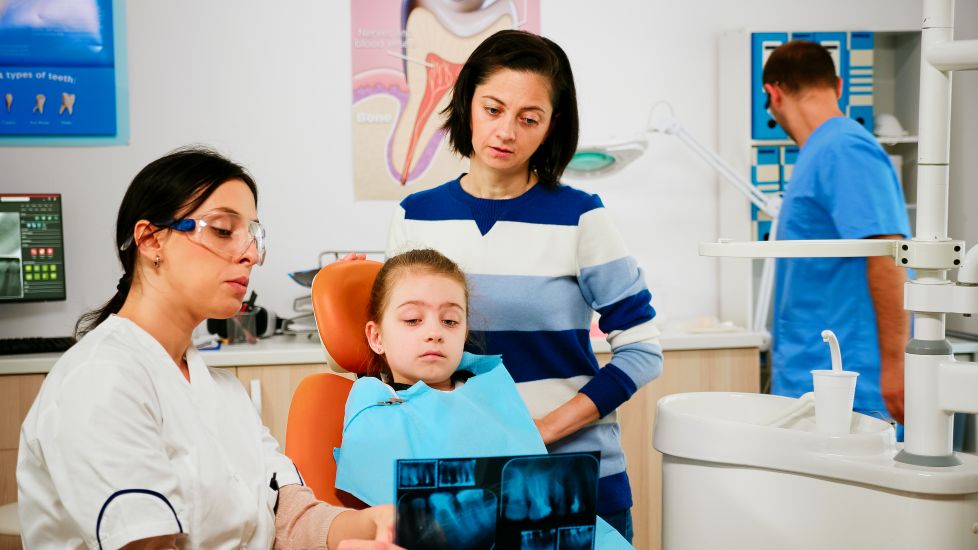
The first dental visit is usually simple, gentle, and child-friendly. It is not meant to overwhelm your child.
For younger children, the appointment may start with a slow introduction to the dental environment. The dentist or dental team may show your child the dental chair, mirror, gloves, light, or simple tools in a relaxed way. The goal is to make everything feel less unfamiliar.
Some children may sit in the dental chair by themselves. Others may sit on a parent’s lap, especially if they are very young or nervous. This is normal.
During the check-up, the dentist may examine:
- Teeth
- Gums
- Jaw development
- Bite alignment
- Tooth eruption
- Signs of cavities
- Oral habits
- Plaque build-up
- Early gum irritation
The dentist may also ask about your child’s feeding habits, brushing routine, diet, teething symptoms, thumb-sucking, pacifier use, and any concerns you have noticed at home.
A large part of the first visit is guidance for parents. You may receive advice on brushing, toothpaste amount, flossing when teeth touch, snack choices, sugary drinks, fluoride, and how often your child should return for dental check-ups.
For children who feel nervous, the dentist may keep the visit short and positive. Sometimes, the goal of the first visit is simply to help the child feel safe in the dental setting. That is still a successful first step.
How to Prepare Your Child for Their First Dental Visit
A little preparation can make the first visit much smoother.
Start by talking about the dentist in a positive and simple way. You do not need to over-explain. For example, you can say, “The dentist will count your teeth and help keep your smile healthy.”
Try to avoid words that may sound scary, such as “pain,” “injection,” “drill,” or “don’t be scared.” Even if you mean well, those words may make your child more anxious.
You can also prepare your child by:
- Reading children’s books about visiting the dentist
- Role-playing dentist at home with a toy toothbrush
- Letting your child practise opening their mouth
- Watching simple child-friendly dental videos
- Bringing a comfort toy
- Keeping your own tone calm and relaxed
Timing also matters. Try to book the appointment at a time when your child is usually well-rested and fed. For many young children, morning appointments work better than late afternoon visits, when they may already be tired.
Before the visit, prepare any useful information for the dentist, such as:
- Medical history
- Allergy information
- Previous dental concerns
- Teething issues
- Tooth injury history
- Medications
- Feeding or brushing habits
If your child is anxious, let the dental team know before the appointment. A child-friendly dental team can adjust the pace and help make the experience more comfortable.
Common Procedures During the First Visit
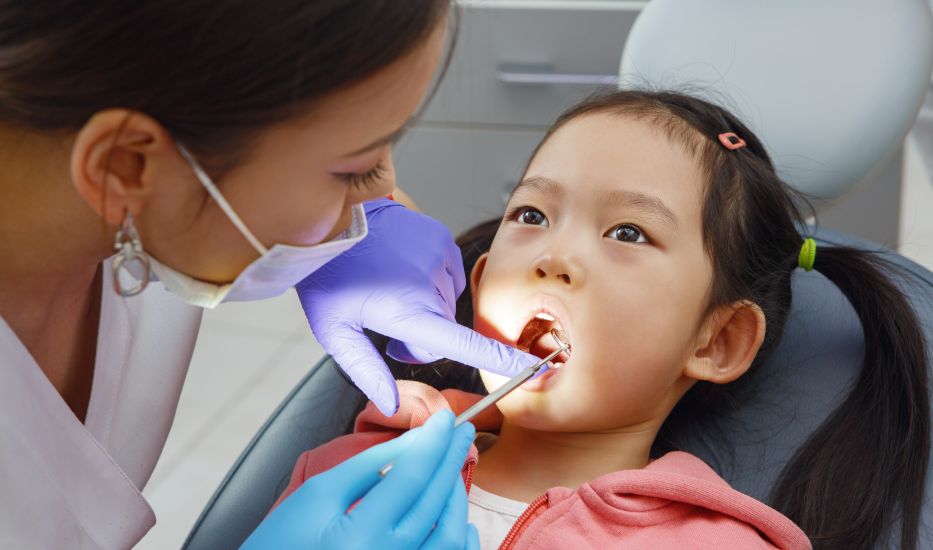
The first dental visit usually focuses on examination, prevention, and education. It does not always involve treatment.
A typical first visit may include a visual check-up of your child’s teeth, gums, and bite. The dentist may look for early signs of tooth decay, plaque, gum inflammation, enamel issues, or tooth eruption concerns.
In some cases, a gentle cleaning may be done if there is plaque build-up. The dentist may also apply fluoride varnish if it is suitable for your child’s age and risk of cavities.
Fluoride can help strengthen tooth enamel and reduce the risk of tooth decay. However, the dentist will usually consider your child’s needs before recommending it.
Dental X-rays are not always needed during a first visit. They may only be recommended if the dentist needs more information, such as checking hidden decay, tooth development, injury, or other concerns that cannot be seen clearly during a visual examination.
For many children, the most important part of the first visit is parent education. This helps you understand how to care for your child’s teeth at home and when to return for the next check-up.
Choosing the Right Kids Dentist in Malaysia
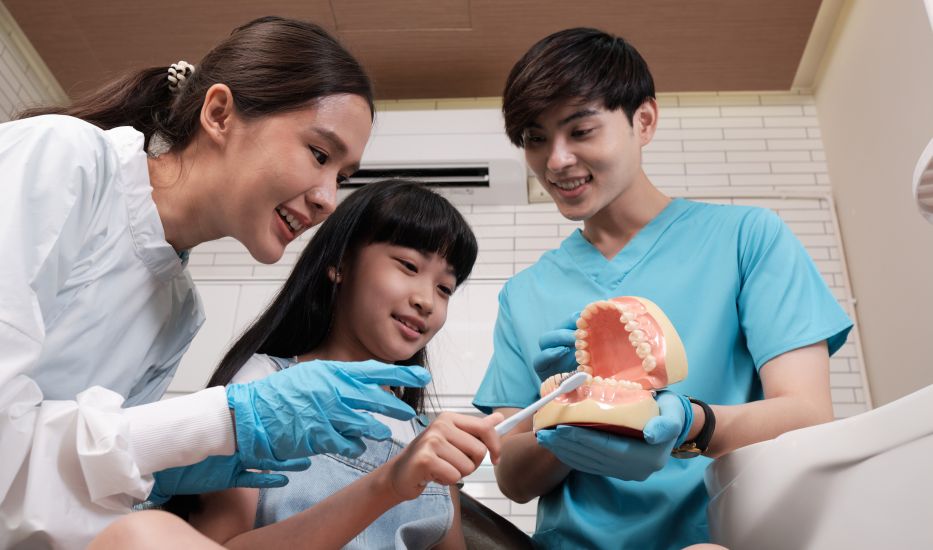
Choosing the right kids’ dentist can make a big difference to your child’s first dental experience.
A good kids dentist should be patient, gentle, and able to explain things in a child-friendly way. The dental team should understand that children may need time to adjust, especially during their first visit.
When choosing a kids dentist in Malaysia, you may want to look for:
- Experience with children’s dental care
- A calm and child-friendly approach
- Gentle communication
- A clinic environment that feels welcoming
- Clear explanations for parents
- Preventive dental guidance
- A team that does not rush anxious children
- Proper advice on brushing, diet, fluoride, and oral habits
It is also helpful when the clinic focuses on building rapport. Children may not cooperate fully during the first visit, and that is okay. A good first appointment should make the child feel safe, not pressured.
The goal is to help your child slowly become comfortable with dental care. When children trust their dentist, future visits often become easier.
Frequently Asked Questions About Children’s First Dental Visits
How often should kids visit the dentist?
Many children benefit from regular dental check-ups every six months. However, the exact timing depends on your child’s oral health, cavity risk, brushing habits, diet, and any dental concerns.
Some children may need more frequent visits if they are at higher risk of tooth decay or have ongoing dental issues.
What if my child is anxious or scared?
It is very common for children to feel nervous before their first dental visit. Parents can help by speaking positively, avoiding scary words, and keeping the visit as normal as possible.
A kids dentist will usually take a gentle approach, introduce tools slowly, and allow the child time to adjust. The first visit does not need to be perfect. Even sitting in the chair or opening the mouth briefly can be a good start.
Are dental X-rays safe for children?
Dental X-rays are generally only taken when needed. Dentists consider the child’s age, symptoms, oral health, and risk factors before recommending X-rays.
Modern dental imaging uses safety principles to minimise unnecessary exposure. If an X-ray is recommended, you can always ask why it is needed and what the dentist is checking for.
How do I handle teething and early dental issues?
Teething can cause drooling, gum discomfort, and a desire to chew on objects. You can gently clean your child’s gums and teeth and use safe teething methods recommended by your dentist or doctor.
If your child has swelling, severe pain, bleeding, trauma, or a tooth that looks damaged, it is better to seek professional advice instead of assuming it is only teething.
Do baby teeth really need dental care if they will fall out later?
Yes. Baby teeth are important for chewing, speech development, jaw growth, and guiding permanent teeth into the right position.
If baby teeth decay too early, children may experience pain, infection, eating difficulties, or spacing problems later.
What should I bring to my child’s first dental appointment?
Bring your child’s medical information, allergy details, any previous dental notes, and a comfort item if your child needs one. You can also prepare a list of questions about brushing, toothpaste, teething, diet, or oral habits.
What This Means for Your Child’s Oral Health
A child’s first dental visit is not just a check-up. It is the beginning of a healthier relationship with dental care.
Starting early helps parents understand how to protect baby teeth before problems become serious. It also gives children a chance to become familiar with the dentist before they ever need urgent treatment.
Over time, regular dental visits can help prevent cavities, monitor tooth development, identify bite or alignment concerns, and support healthy gum care.
More importantly, early visits can help children develop a positive attitude towards dental care. When dental visits feel normal from a young age, children are more likely to continue good habits as they grow.
That is the real value of the first visit. It sets the tone for your child’s oral health journey.
Book Your Kids’ First Dental Appointment
If your child has not had their first dental visit yet, now is a good time to start.
A gentle first appointment can help your child become familiar with the dental environment, while giving you practical advice on brushing, diet, teething, fluoride, and early cavity prevention.
At Dental Home, we aim to make children’s dental visits calm, clear, and supportive for both parents and kids.
Schedule your child’s first visit with a kids-friendly dentist in Malaysia and help them build healthy oral habits from the start.